Many people try to save money and end up sacrificing their peace of mind and even spending more in the long run. True financial wellness is not about extreme cutting; it is about spending wisely in ways that support your health, time, and long-term stability. Inspired by a mom who moved from overspending to a calm, stable household budget, this article explains which “frugal” habits you should actually let go of.
When Saving Money Starts to Hurt You
It is easy to get trapped in an all‑or‑nothing mindset: if you are not cutting every possible expense, you feel like you are “bad with money.” But many unhealthy frugal habits—like skipping medical care or always buying the cheapest version—can increase stress, lower quality of life, and cost more over time. Financial wellness means your budget supports both your bank account and your physical and mental health.
Habit 1: Cutting Your Food Budget Too Hard
The author describes trying to slash her grocery spending so aggressively that meals became repetitive and nutritionally unbalanced, which led to more convenience food and eating out. In the end, her total food costs were higher and her energy lower.
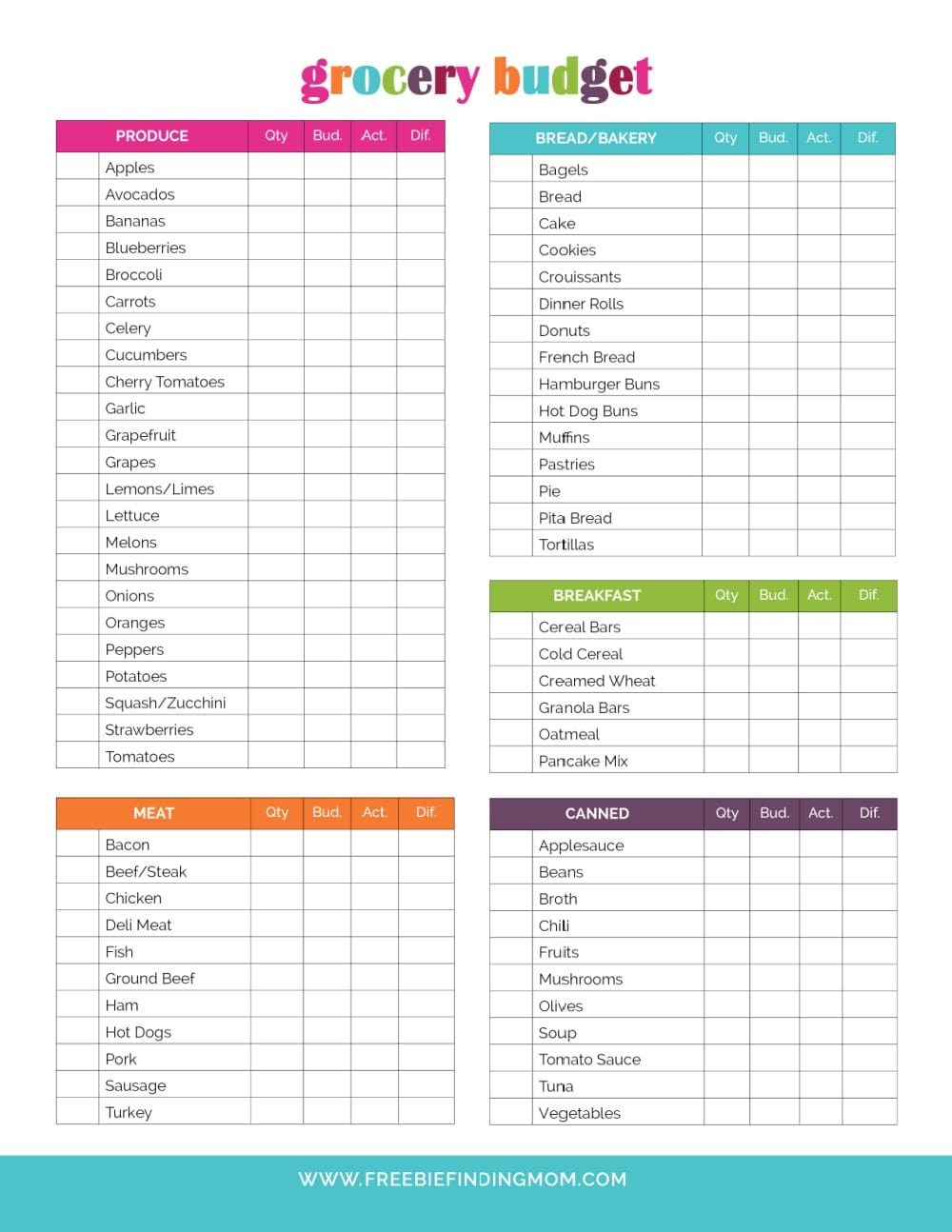
A more sustainable budgeting approach for food:
-
Set a realistic grocery budget that includes fresh produce, protein, and a few comfort foods.
-
Cook simple, balanced meals at home most of the week instead of relying on takeout.
-
Use batch cooking, leftovers, and frozen vegetables to save both money and time.
Rather than obsessing over spending as little as possible, aim for “good value” meals that keep you healthy and satisfied. That mindset supports both your wallet and your long‑term wellbeing.

Habit 2: Always Choosing the Cheapest Option
In her overspending days, the writer would buy the lowest‑priced item without considering quality, design, or usability. These items often broke quickly or were frustrating to use, forcing her to repurchase and ultimately spend more.
To break this habit:
-
Compare quality, durability, and reviews—not just price.
-
For high‑use items (kitchen tools, shoes, work equipment), consider cost per use rather than sticker price.
-
Choose mid‑range, well‑reviewed products instead of rock‑bottom deals that may fail early.
Smart spending choices help stabilize your monthly costs because you are not constantly replacing broken or disappointing purchases. This is a key part of a healthy money mindset.
Habit 3: Avoiding the Doctor to “Save” on Medical Bills
Another habit she regrets is refusing to see a doctor when she felt unwell, relying only on over‑the‑counter medicines to avoid paying for a consultation. Minor issues sometimes turned into longer‑lasting problems, costing more money and draining her energy.
A financially wise approach to health care:
-
Treat medical checkups and timely visits as an investment, not a luxury.
-
Use preventive care and early treatment to avoid expensive emergencies.
-
Budget annually for health: co‑pays, medications, glasses/contacts, or therapy if needed.
Skipping care might look frugal this month, but it can undermine both your health and financial wellness in the long term.
Habits to Replace: What Supports Financial Wellness?
From her experience, the writer now focuses on habits that make saving feel natural and calm instead of restrictive.
Helpful replacements include:
-
Prioritizing spending that protects health and daily comfort (quality food, reasonable heating/cooling, basic self‑care).
-
Buying fewer things, but better ones, and using them longer.
-
Tracking spending regularly instead of relying on guilt-driven restriction.
These sustainable budgeting practices help create a home life that feels stable rather than constantly stressed about money. You can still be intentional and careful without living in constant deprivation.
Let Go of “Fake Frugality”
Trying to be “good with money” by cutting everything often backfires, leaving you exhausted, unhealthy, and no better off financially. By letting go of extreme food cuts, always‑cheapest shopping, and avoiding medical care, you move toward genuine financial wellness that balances security with quality of life. Focus on smart, sustainable choices that support your body, mind, and future, and saving money will start to feel natural instead of punishing.